In today's ever-changing work environment, designing cubicles really matters when it comes to getting things done. Sarah Jensen, an industry pro from Workspace Innovations, puts it nicely: "A well-designed cubicle can boost creativity and help you focus." Looking ahead to 2026, it’s pretty clear we should rethink how we set up these workspaces.
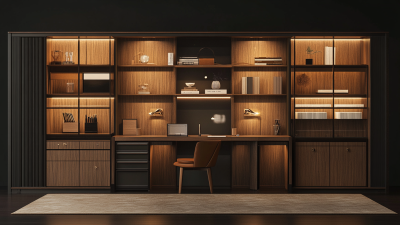
Think of cubicles not just as basic partitions, but as personal spaces that can make a real difference—either helping you perform at your best or holding you back. Sometimes, it’s the little things that make a big impact, like adding Cubicle Shelves. They can make organization easier and cut down distractions.
But here’s the thing—not all cubicle designs are created equal. Some folks find their space a bit stifling or just uninspiring, which is a shame. It’s important to strike a good balance between privacy and openness. Every worker’s needs are a little different, so sticking to a one-size-fits-all setup might not cut it. It’s definitely worth taking the time to consider how we design these spaces, focusing on both functionality and how comfortable employees feel. The bottom line? Cubicle design should keep evolving—making sure it supports productivity while also taking care of people’s well-being.
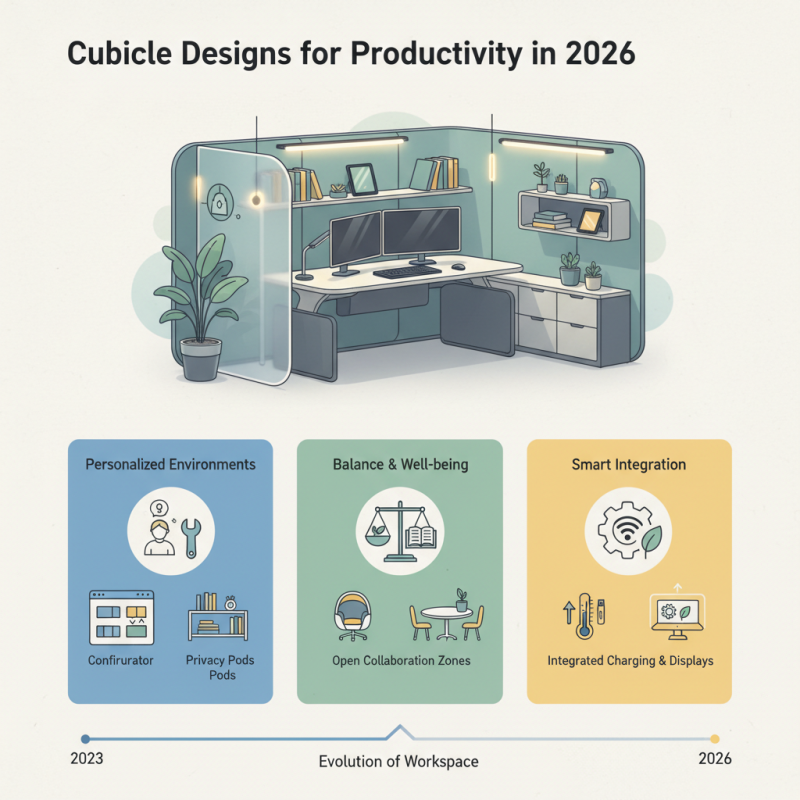
Cubicles in 2026 are set to transform how we think about productivity. Open spaces with traditional cubicles have limitations. The focus now shifts to creating environments that foster creativity and concentration. Flexible layouts allow employees to choose their ideal work setting. This adaptability can enhance focus and reduce stress.
Color psychology plays a vital role in cubicle design. Vibrant colors may inspire energy, while softer hues promote calmness. Incorporating greenery can improve air quality and boost morale. However, too many distractions can hinder productivity. Striking the right balance is crucial. Lighting also matters. Natural light improves mood, while harsh fluorescent lights can lead to fatigue.
Technology integration is essential. Ergonomic furniture supports well-being and reduces strain. Innovative storage solutions keep the workspace organized. Yet, if the design is too complex, it can overwhelm users. Simplicity and functionality should guide these choices. Reflecting on user experiences can provide valuable insights for improvements moving forward.
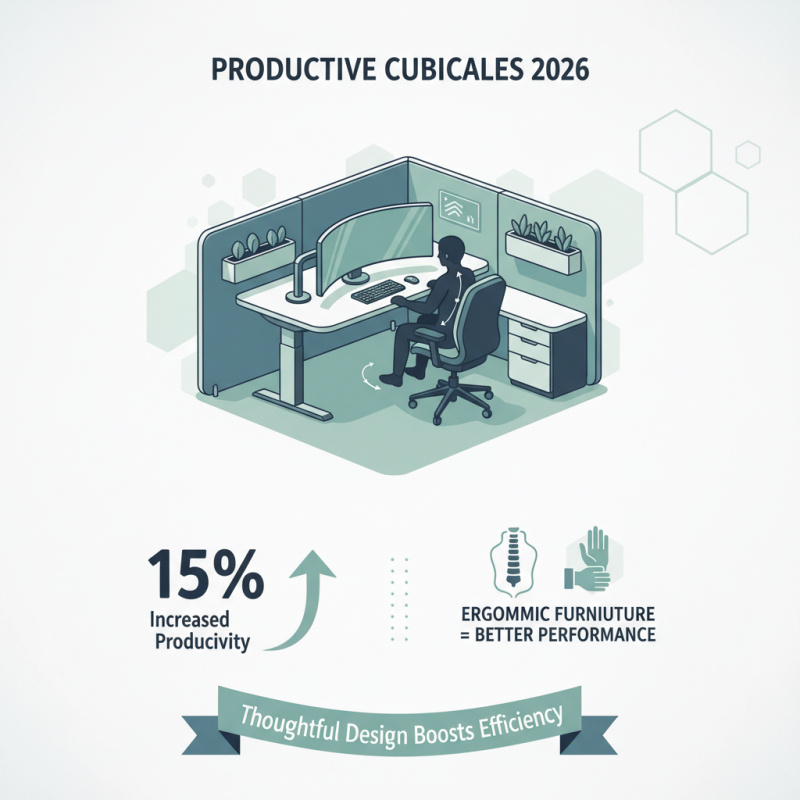
In 2026, creating productive cubicle designs revolves around ergonomic furniture. Comfortable and efficient setups can greatly impact employee performance. Research indicates that ergonomic workspaces can increase productivity by up to 15%. This shift emphasizes the importance of thoughtful design elements.
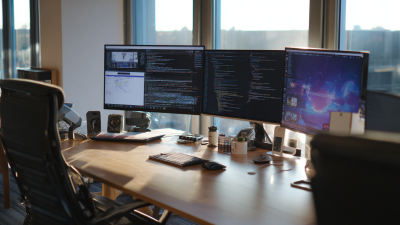
Key features include Adjustable Desks. These allow employees to switch between sitting and standing, catering to their preferences. Studies reveal that standing desks can reduce fatigue and increase focus. The ideal height for desks should promote a neutral wrist position while typing. Ergonomically designed chairs also matter. They should provide lumbar support, enabling proper spine alignment. The right chair can reduce discomfort and optimize energy levels.
Lighting is another important aspect. Natural light enhances mood and reduces eye strain. A recent report noted that 64% of employees prefer workspaces with windows. Incorporating artificial lighting that mimics natural light can also help. The goal is to create an environment that supports well-being. Not every design will fit all needs. Companies should regularly gather feedback to improve their cubicle setups. Adapting to the unique needs of a workforce is a continuous challenge.
As we move toward 2026, smart technology in cubicles can significantly enhance productivity. According to a recent report by the International Workplace Group, 79% of professionals have indicated that a well-designed workspace improves their overall work experience. Smart cubicles offer solutions that adapt to personal preferences and improve focus. Integrating adjustable lighting and noise-cancellation technology creates an environment conducive to concentration.
Moreover, data from a study by Steelcase reveals that integrating technology can reduce distractions. Automated systems can adjust temperature and lighting based on user feedback. Voice-activated assistants can manage tasks or remind employees about deadlines. These innovations aim not just to impress but to actually support work processes. However, not all technological advancements lead to increased productivity. Some devices can become distractions themselves if not managed properly.
There’s a fine line between efficiency and overwhelming features. It's crucial to ensure the workspace remains user-friendly. Too much technology can lead to confusion. Regular assessments of these smart features can reveal what works and what doesn't. As companies invest in tech, they must also foster an atmosphere conducive to creativity and focus. Balancing technology with a human touch is key.
Biophilic design is a powerful tool to enhance productivity in the workplace. Incorporating natural elements into cubicles can create a calming atmosphere. Plants, natural light, and organic materials are essential components. They not only improve aesthetics but also promote mental well-being.
Tips: Start with a small potted plant. Consider succulents or ferns. They require minimal care. Next, maximize natural light. Position desks near windows or use light tubes. Natural light boosts mood and focus. Lastly, add textures that mimic nature. Wooden surfaces or stone accents can make a cubicle feel more inviting.
While biophilic design offers many benefits, it’s important to find balance. Too much greenery can become overwhelming. Some workers may feel distracted by sounds of nature. Experiment with different elements to discover what works best. Gather feedback and make adjustments as needed. A perfect workspace does not exist; it’s about creating a harmonious environment.
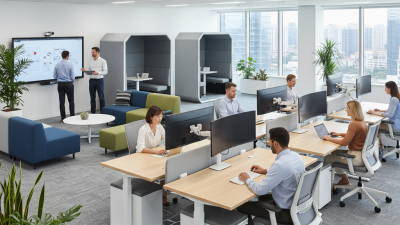
Creating productive cubicle designs for 2026 means embracing flexible spaces. Modern cubicles should be adaptable, balancing collaboration with privacy. Employees often need both focus and interaction. The design should cater to these needs.
Consider using modular furniture. It can be rearranged easily for different tasks. Adding soundproofing elements can enhance privacy. A blend of open and enclosed spaces is crucial. Employees may wish to retreat for concentration. Equally, they need areas for teamwork.
Tip: Encourage staff to personalize their spaces. A few personal touches can boost morale.
Lighting plays a vital role. Natural light is preferred, but adjustable LEDs can also work. The height of cubicle walls affects how open or private a space feels. Lower walls promote communication, while higher ones offer solitude. Think about how these factors influence worker satisfaction.
Tip: Regular feedback from employees can highlight areas for improvement in design.
Creating the ideal workspace is an ongoing process. Evaluate designs regularly, as needs evolve. Be open to experimenting with layouts and features. After all, what works today might not fit tomorrow's demands.
Open office environments are popular. However, they can be noisy and distracting. This can greatly reduce productivity. To maximize focus, we need effective acoustic solutions. Sound-absorbing materials can significantly reduce noise levels. Plush carpets, acoustic panels, and upholstered furniture are great choices.
Creating quiet spaces is essential. Use partitions or screens to block sound. This adds privacy and minimizes distractions. Additionally, plants can enhance acoustics while improving air quality. They bring a sense of calm.
Not all solutions are perfect. Some materials may look good but fail in function. Experimenting with different layouts is important. What works in one space may not work in another. Regularly seek feedback from employees. Their experience is valuable. Flexibility can lead to improvements.
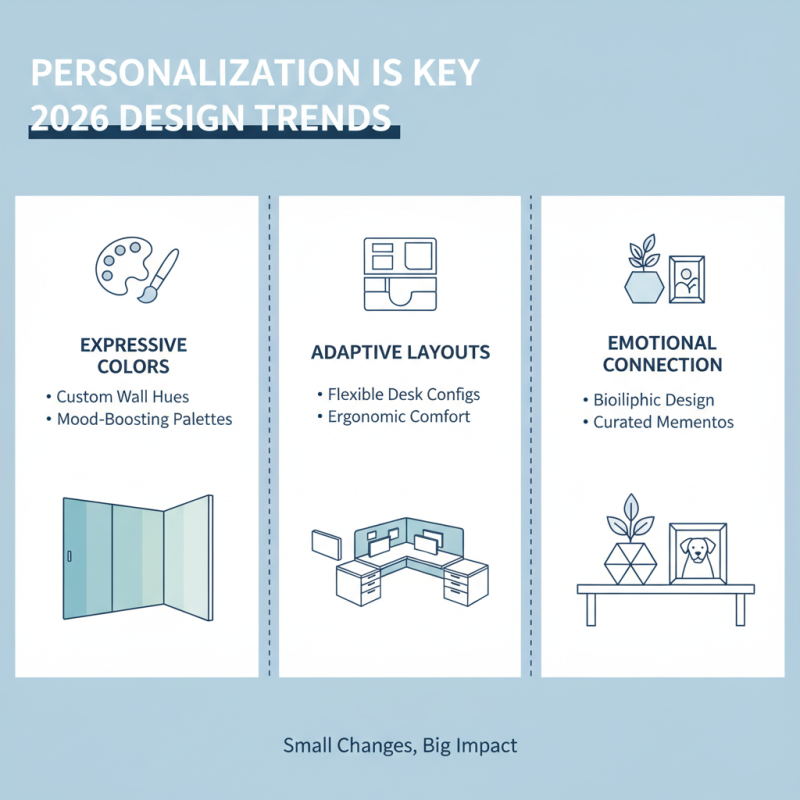
In 2026, creating effective cubicle designs hinges on personalization. Employees crave spaces that reflect their individuality. Small adjustments can make a big difference. For example, personalized wall colors or unique desk arrangements can enhance comfort. Incorporating plants or personal items can also boost morale. These elements create an emotional connection to the workspace.
Employee input is crucial in this design process. Regular surveys can capture preferences on lighting, furniture, and layout. However, it can be challenging to balance individual needs with common goals. Some employees may prefer quiet zones, while others thrive in collaborative areas. Finding an optimal mix is essential. Perhaps a flexible design that allows for easy reconfiguration could cater to diverse needs.
Reflection on workspace dynamics is necessary. While personal touches can inspire productivity, overcrowding with items could lead to distraction. Spaces should facilitate focus without overwhelming individuals. Employers need to foster an environment where feedback is encouraged. This ongoing dialogue will shape cubicle designs that enhance productivity for all.
: The product aims to enhance daily routines and improve overall well-being.
Follow the instructions carefully for optimal benefits. Consistency is key to effectiveness.
Yes, but be cautious. Mixing could lead to unexpected reactions or reduced effectiveness.
Results vary by individual. Some notice changes within weeks, while others may take longer.
While many users report no issues, some might experience mild discomfort. Listen to your body.
Consider reviewing your usage. If problems persist, explore return options based on guidelines.
The product is generally designed for adults. Younger users should consult with a guardian.
Details about manufacturing locations might not be explicitly stated. Explore the provided sources for more information.
It’s best to seek medical advice if pregnant. The safety of usage may vary by individual circumstances.
Missing a dose isn't ideal. Adjust usage based on your schedule, but avoid doubling doses.
In 2026, cubicle designs are set to evolve with innovative trends that significantly enhance productivity. Key features such as ergonomic furniture will prioritize comfort and efficiency, ensuring that employees can work effectively throughout the day. Furthermore, the incorporation of smart technology solutions will streamline workflows and facilitate better communication in modern workspaces.
Biophilic design elements will also play a crucial role in cubicles, as they bring nature into the workplace, promoting well-being and reducing stress. Flexibility in cubicle configurations will allow for both collaboration and privacy, catering to the diverse needs of teams. Additionally, acoustic solutions will be implemented to minimize distractions in open office environments. Lastly, involving employees in the design process will ensure that cubicles reflect individual preferences and needs, leading to a more personalized and productive workspace.